Units of Learning
This page presents a selection of Units of Learning developed throughout both my first and second year school placements as part of the Professional Masters of Education in Art & Design at NCAD. The work included reflects teaching experiences across Junior Cycle and Leaving Certificate classes, highlighting a range of approaches to creative learning, student engagement, and classroom practice.
The Junior Cycle Units of Learning are informed by the three interconnected strands of Art, Craft, and Design, encouraging students to explore practical making, experimentation, and visual communication through a variety of processes and materials. The Leaving Certificate Units of Learning follow the framework of Research, Respond, and Create, supporting students in developing independent thinking, critical reflection, and personal creative outcomes.
Included within the Leaving Certificate work are two Visual Studies Units of Learning, developed around the framework of Before the Period/Movement, The Period/Movement, Context, Artists and Artworks, Analysis, Art Elements and Design Principles, Media and Areas of Practice, Innovation and Invention, and After the Period/Movement. These units focus on developing students’ understanding of visual culture, contextual analysis, and critical engagement with historical and contemporary artistic practice.
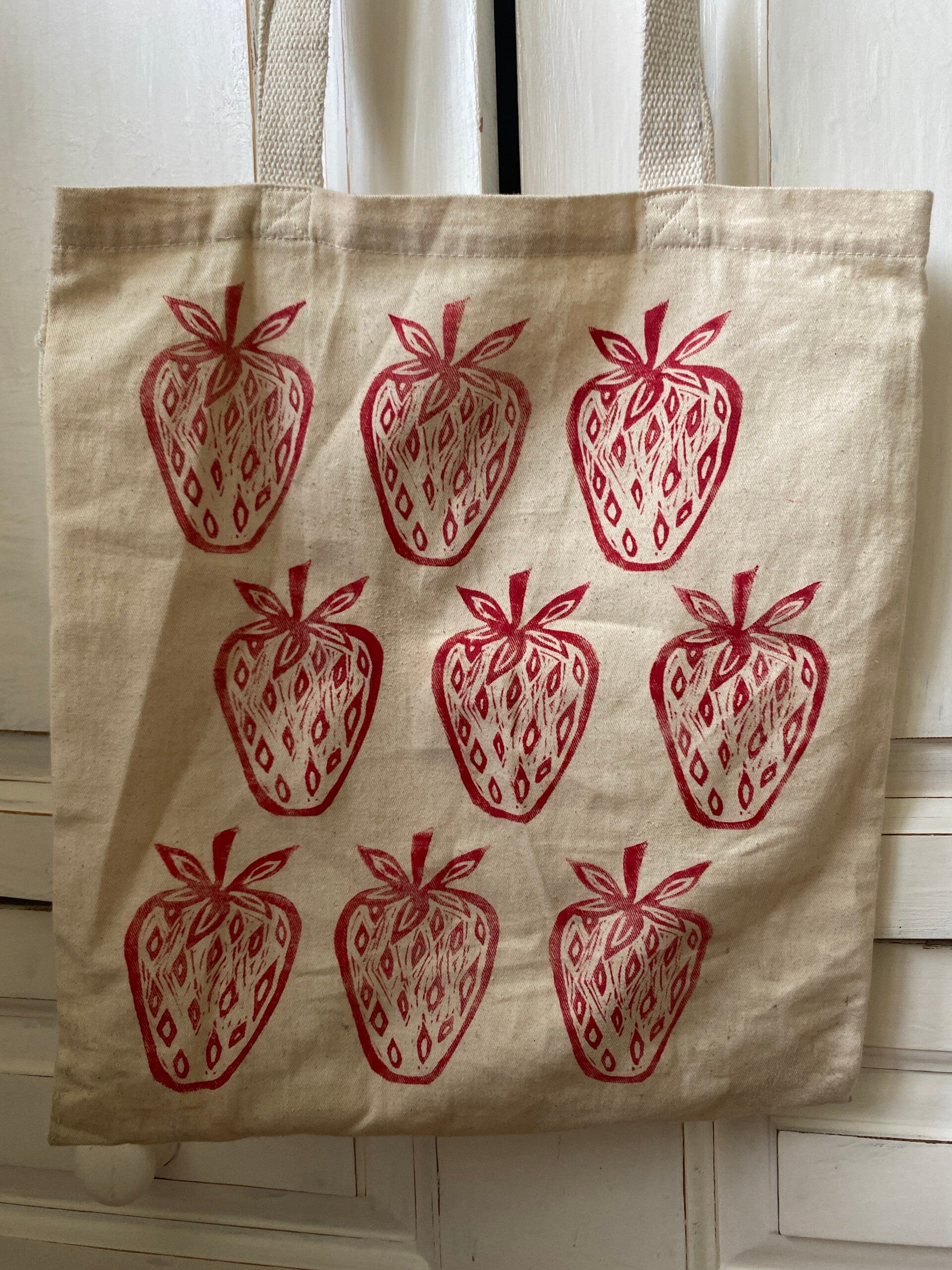
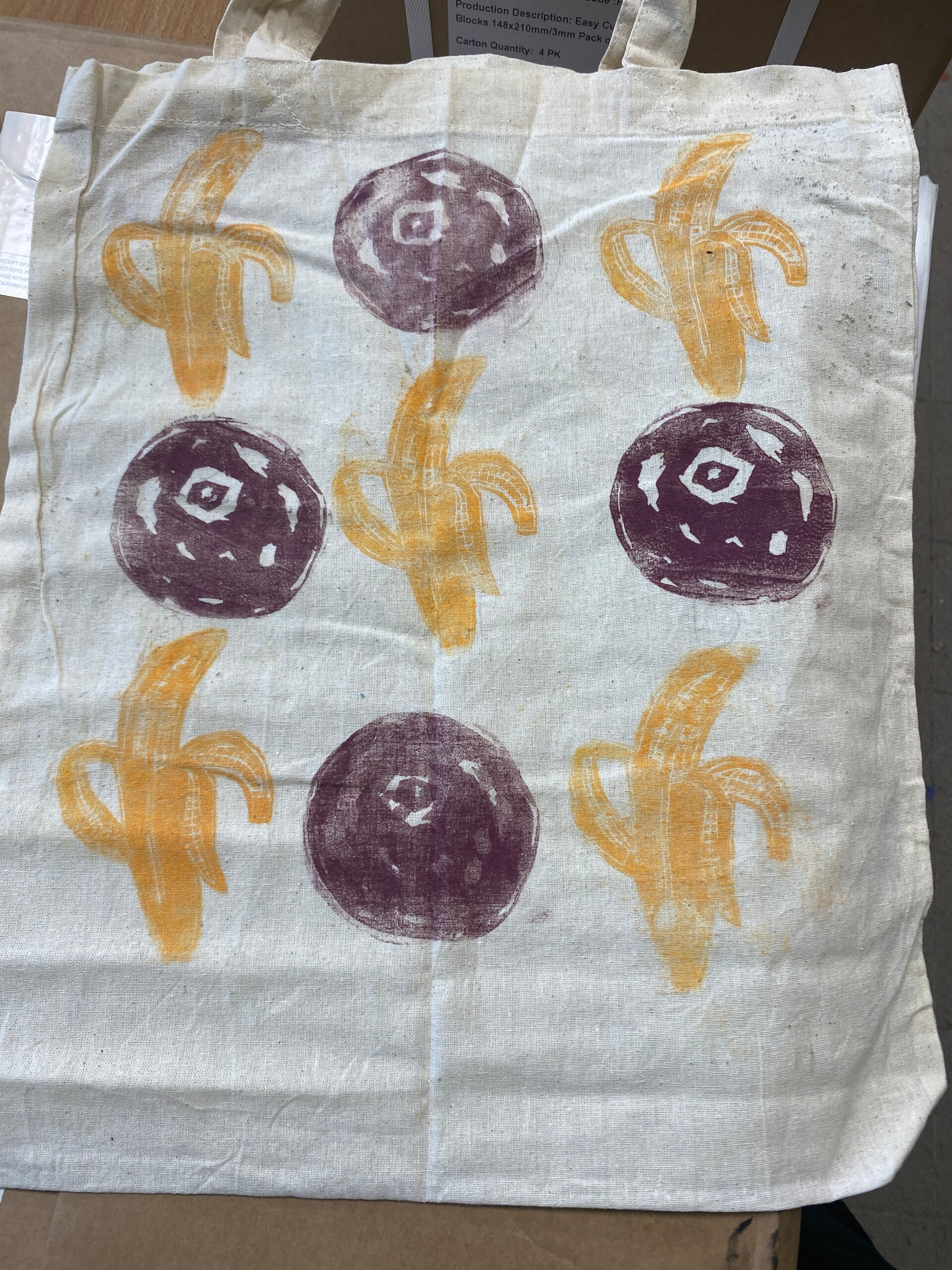
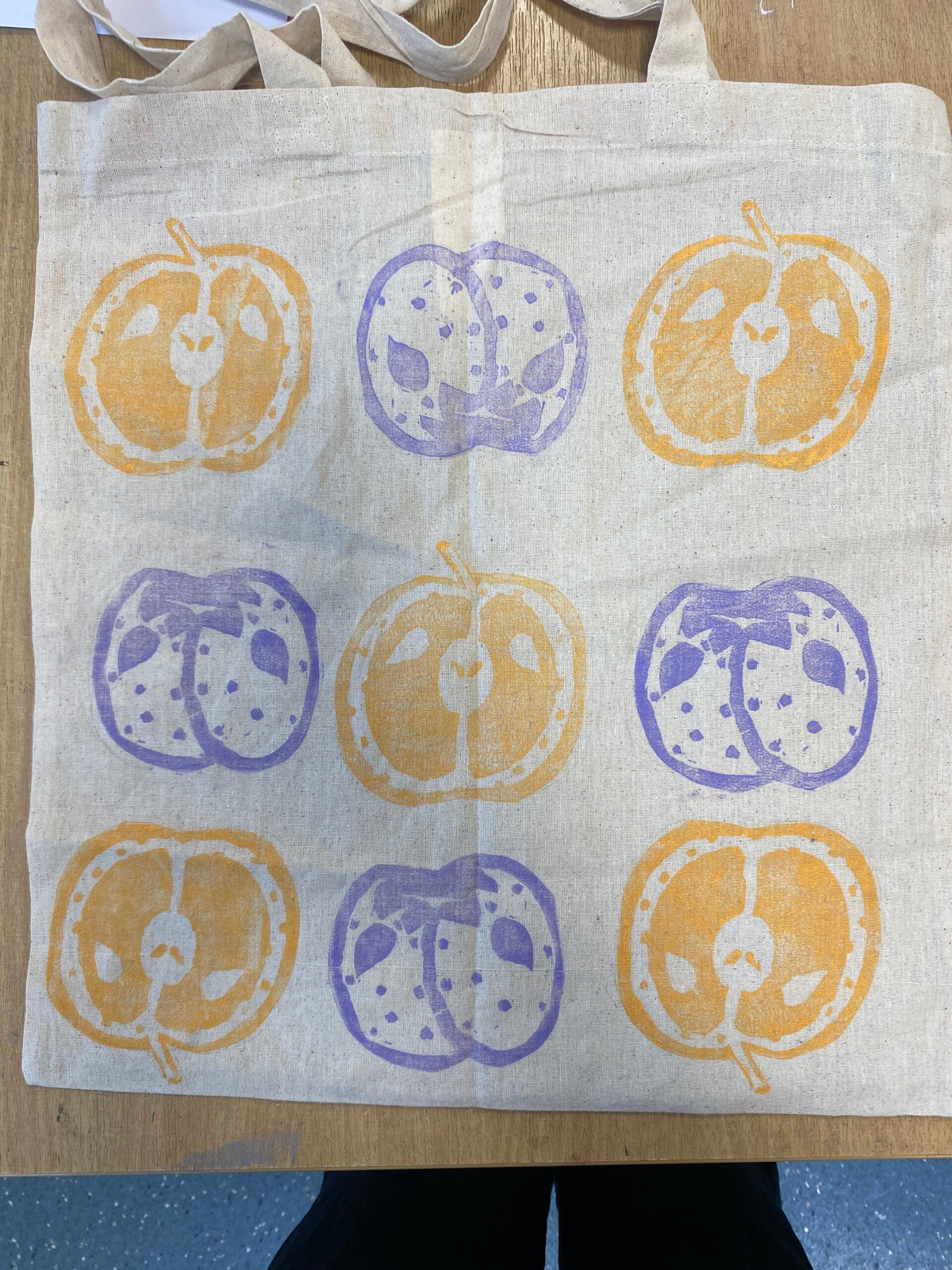
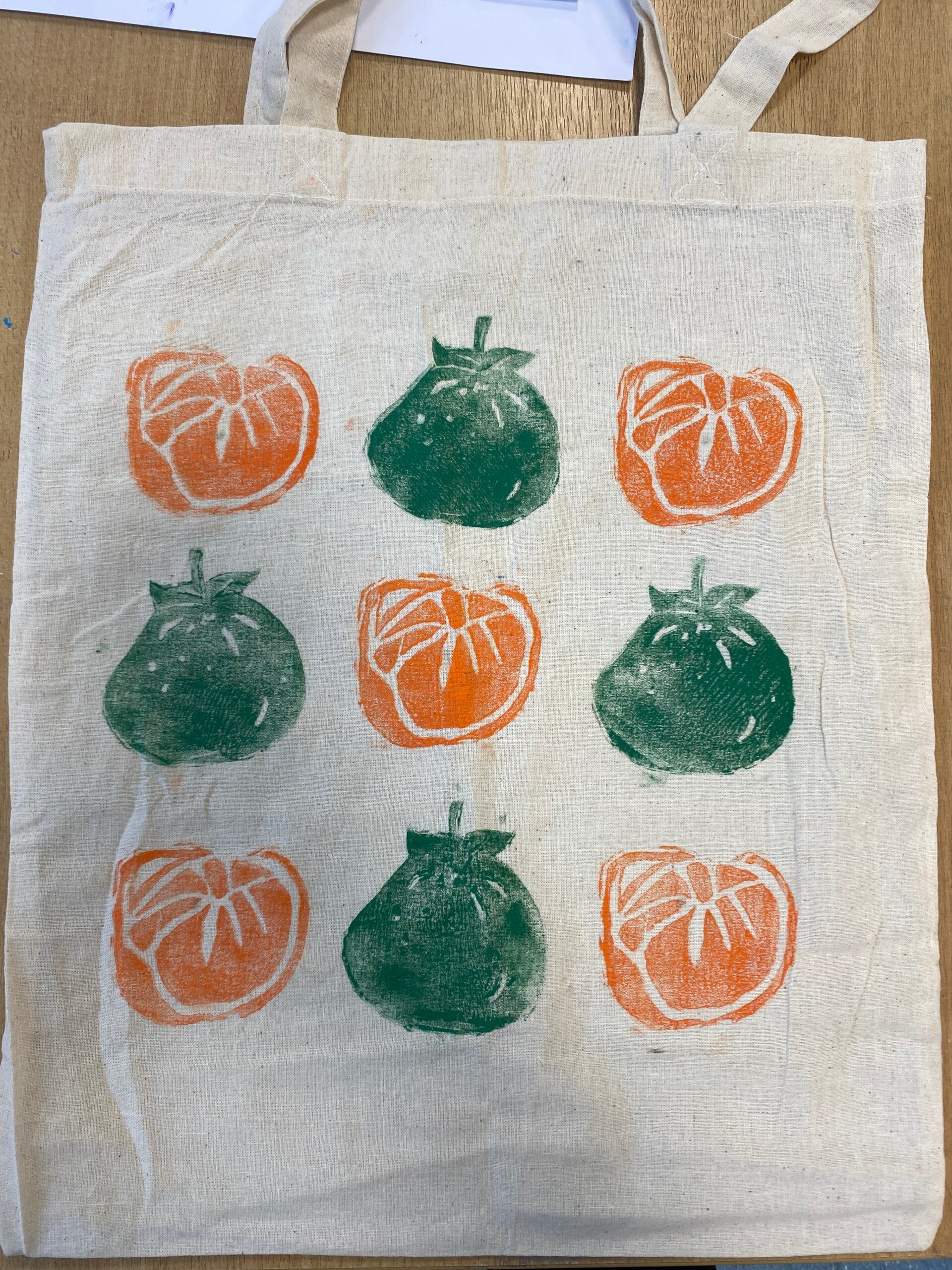
Seeds of Change - 1st year Stamp Printing Unit
Aim of Unit of Learning
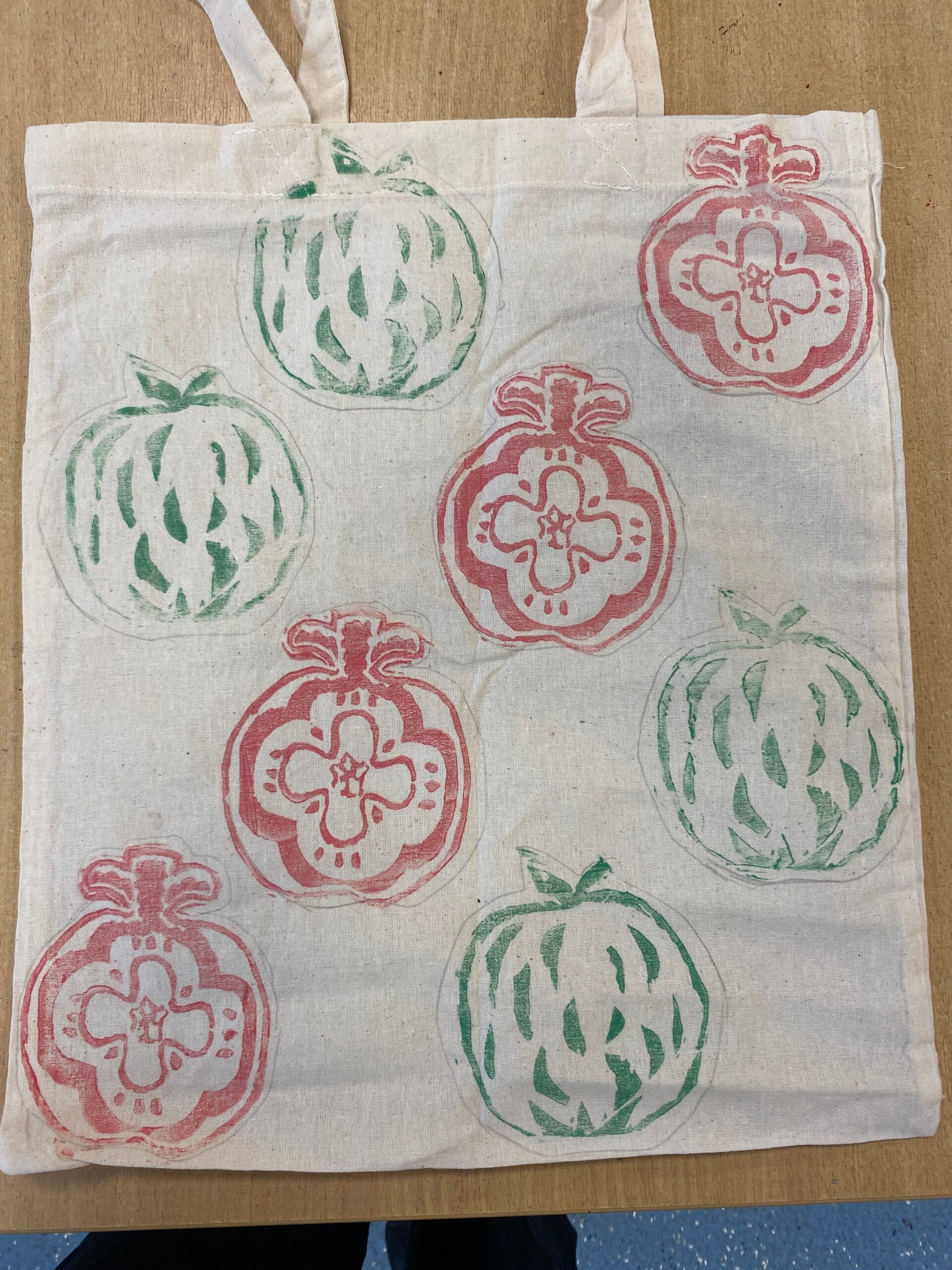
Students will develop an understanding of printmaking, composition, and visual communication through observational drawing, experimental mark-making, collagraph and lino printing processes. Using the theme Seeds of Change, students will explore sustainability, transformation, and environmental awareness while creating collaborative lino printed grocery bags as a final outcome.
Theme Development
Seeds of Change explores ideas surrounding sustainability, transformation, and the environmental impact of consumer culture. Through printmaking and creative experimentation, students are encouraged to reconsider everyday objects and materials through processes of reuse, collaboration, and creative problem-solving
Learning Intentions
Success Criteria
- To explore sustainability and environmental awareness through artmaking and printmaking processes.
- To develop observational drawing, mark-making, composition, and printmaking skills.
- To understand and apply positive and negative space, texture, balance, and contrast within design.
- To analyse and respond to the work of Edward Bawden and Pablo Picasso.
- To experiment with collagraph and lino printing techniques through creative exploration and reflection.
- To collaborate with peers to refine and develop complementary visual outcomes.
- To evaluate and reflect on artistic decisions and creative processes throughout the unit.
- Students can explain how the theme Seeds of Change connects to sustainability and creative transformation.
- Students can demonstrate understanding of printmaking techniques including collagraph and lino printing.
- Students can apply positive and negative space, texture, balance, and contrast effectively within their designs.
- Students can analyse artistic techniques and visual language within the work of Edward Bawden and Pablo Picasso.
- Students can experiment, refine, and improve their work through reflection and peer collaboration.
- Students can create a successful final lino printed grocery bag that demonstrates creativity, technical understanding, and strong visual composition.
Student work
From Farm to Table - 1st Year Water Colour Book Cover Unit
Aim of Unit of Learning
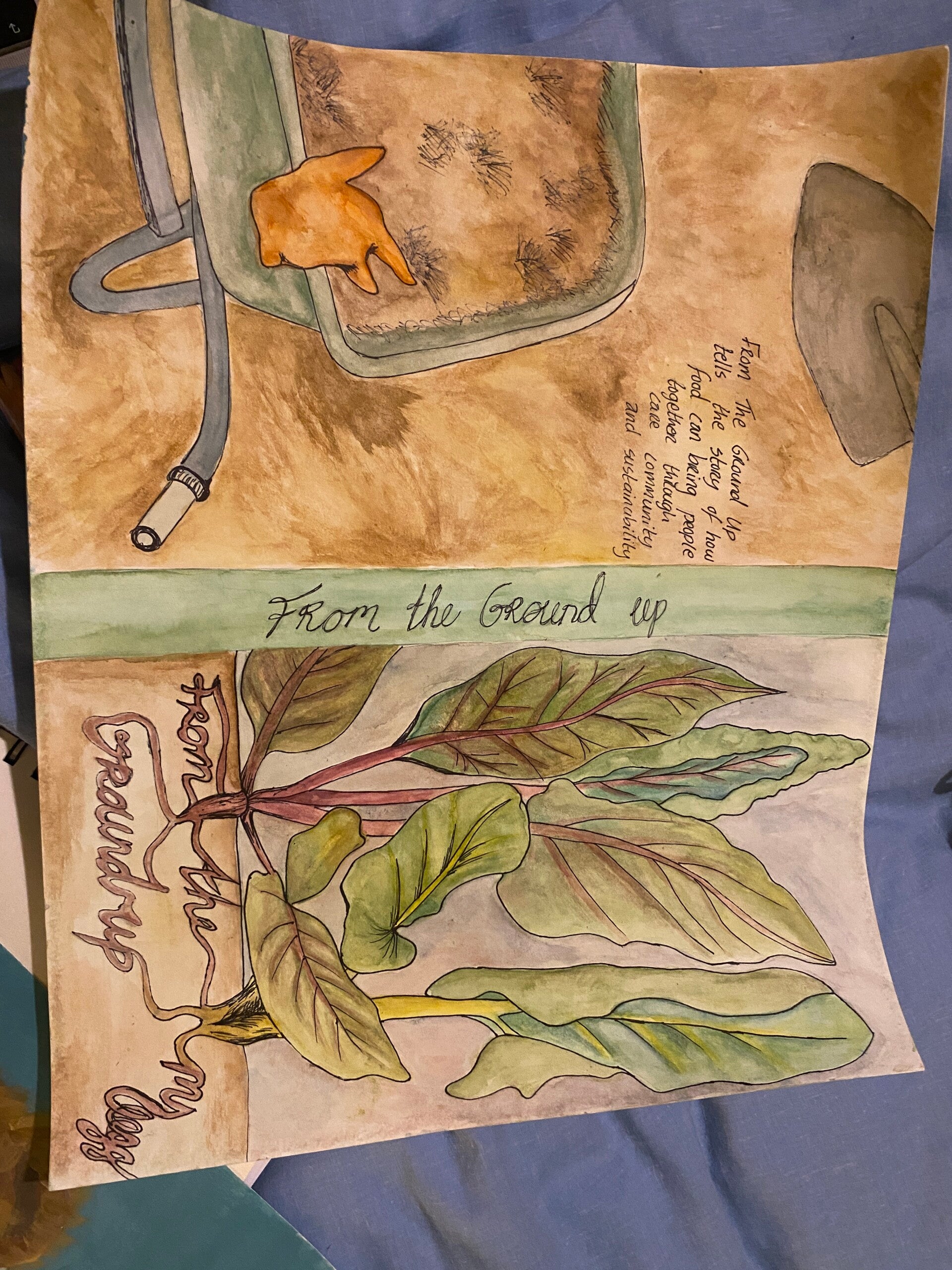
This unit aims to develop students’ understanding of illustration, composition, typography, and watercolour through the design of an illustrated book cover based on the theme From Farm to Table. Students explore how visual language, colour, layout, and imagery can communicate ideas surrounding food, community, sustainability, and connection.
Theme Development
From Farm to Table explores the journey of food from its origins to shared experiences around eating and community. Through drawing, typography, composition, and painting, students investigate themes of sustainability, care, culture, and human connection, translating these ideas into an engaging and visually communicative book cover design.
Learning Intentions
Success Criteria
- To develop an understanding of composition, visual hierarchy, and focal point within book cover design.
- To explore typography and how text placement, spacing, and structure communicate meaning.
- To investigate colour theory and watercolour techniques to enhance mood and visual communication.
- To develop observational drawing, planning, and design skills through thumbnail sketches and layout experimentation.
- To analyse and respond to the work of contemporary illustrators and artists including Rachel Willey, David Hockney, and Beatrix Potter.
- To create a visually cohesive and meaningful illustrated book cover that communicates a clear theme and narrative.
- Students can apply composition and typography effectively within a book cover layout.
- Students can demonstrate understanding of colour theory, watercolour techniques, and visual hierarchy.
- Students can communicate a clear visual narrative connected to the theme From Farm to Table.
- Students can refine and evaluate their work through peer feedback, self-assessment, and reflection.
- Students can create a completed book cover that demonstrates creativity, technical skill, and strong visual communication
Student work
Borrowed Time - 5th Year Poster Design Unit
Aim of Unit of Learning
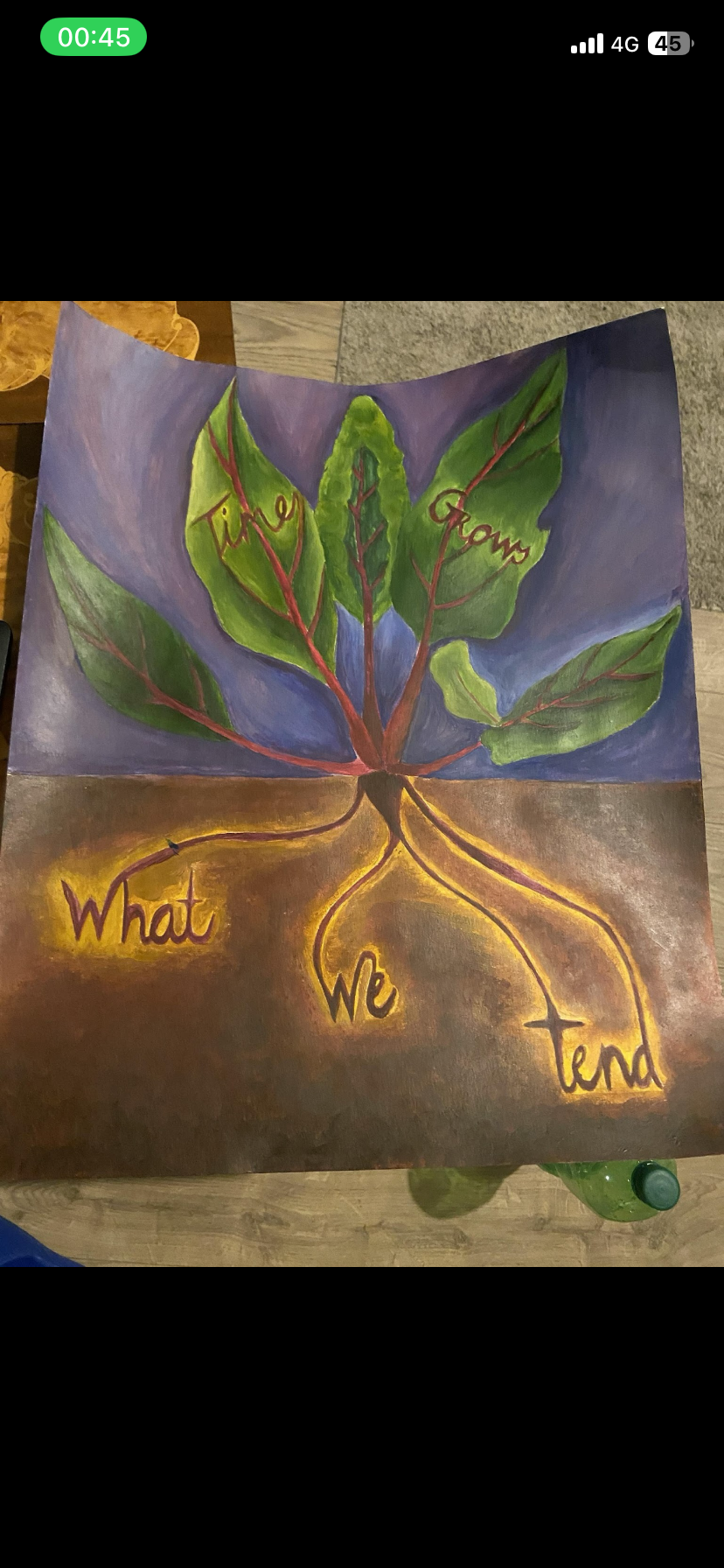
This unit aims to develop students’ understanding of graphic design and visual communication through the creation of a poster responding to the theme Borrowed Time and SDG 13: Climate Action. Through composition, typography, colour theory, painting, and refinement techniques, students create a visually impactful poster that communicates a clear message through symbolic imagery and intentional design decisions.
Theme Development
Borrowed Time explores ideas surrounding climate action, responsibility, urgency, and the impact present actions have on future generations. Students develop symbolic imagery and visual messages that encourage awareness, reflection, and stewardship of the environment through persuasive graphic design.
Learning Intentions
Success Criteria
- To understand how graphic design communicates messages through composition, hierarchy, typography, and colour.
- To explore persuasive, informational, and promotional poster design.
- To develop intentional design decisions through thumbnail planning, visual hierarchy, and focal point placement.
- To investigate typography anatomy, spacing, scale, and emotive typography within graphic design.
- To apply colour theory, painting techniques, shading, highlights, and fineliner refinement to strengthen visual communication.
- To analyse and respond to the work of designers and artists including Shepard Fairey, Neville Brody, Henri Matisse, Paul Rand, and A.M. Cassandre.
- To reflect critically on personal work through artist statements, peer critique, presentation, and evaluation.
- Students can communicate a clear visual message through graphic design principles.
- Students can apply composition, hierarchy, typography, and colour intentionally within poster design.
- Students can demonstrate control of painting and refinement techniques to enhance clarity and focal point.
- Students can justify artistic decisions using appropriate design language and reflection.
- Students can create a resolved poster that effectively communicates meaning, mood, and purpose.
Student work
Pre-Christian Ireland: Early & Middle Bronze Age - 5th Year Visual Studies Unit
Aim of Unit of Learning
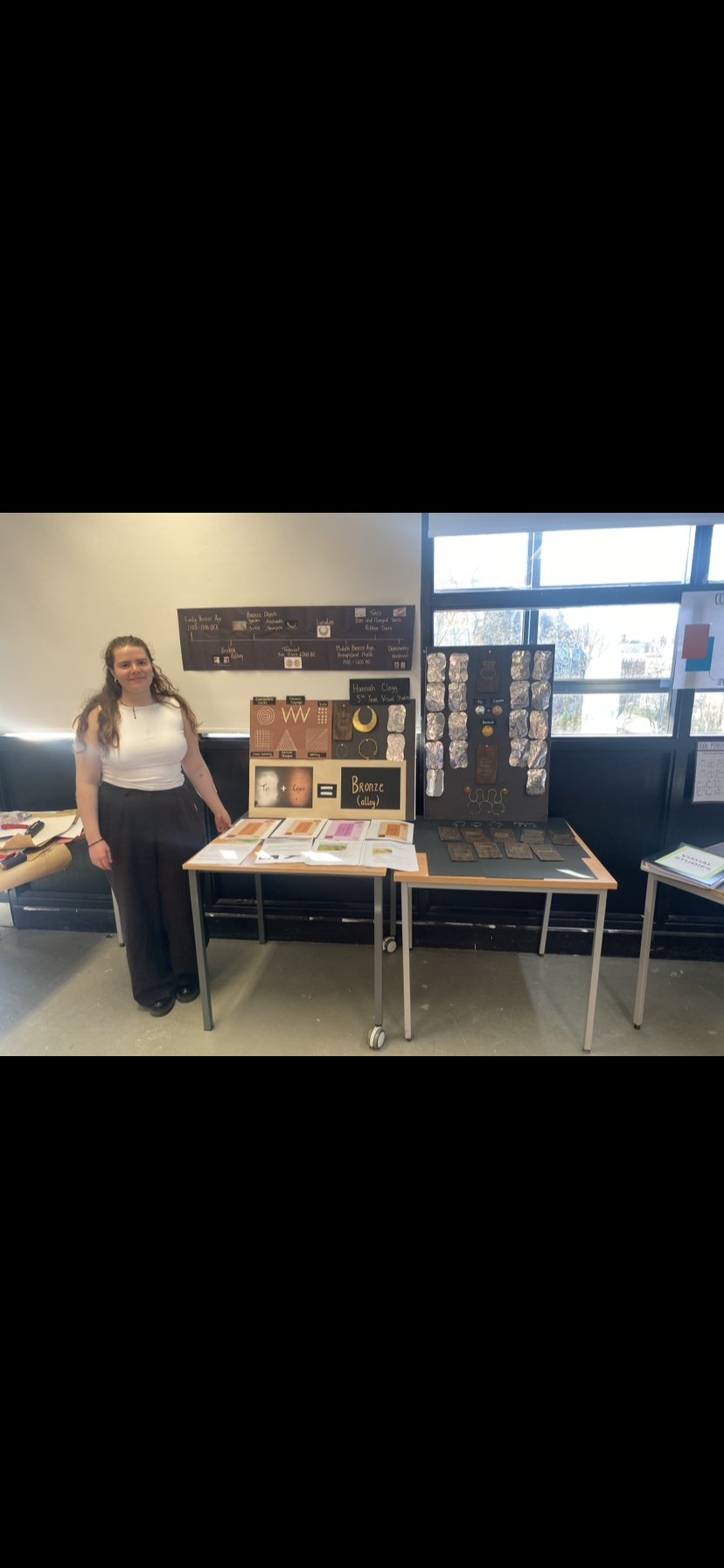
This unit explores Pre-Christian Ireland during the Early and Middle Bronze Age, examining the cultural, technological, and artistic developments of the period and Ireland’s connection to the wider world. Through visual studies analysis, discussion, and practical activities, students develop an understanding of Bronze Age artefacts, materials, techniques, and design practices.
Visual Studies Framework
This Visual Studies unit follows the Leaving Certificate Visual Studies framework through the exploration of:
- Before the Period/Movement: Revisiting the Stone Age to compare developments in materials, decoration, architecture, and artistic practice.
- The Period/Movement: Investigating the Early and Middle Bronze Age in Ireland and the technological shift from stone to metalworking.
- Context: Exploring Bronze Age society, trade, burial rituals, ceremonial sites, and cultural developments within Ireland and the wider world.
- Artists and Artworks: Examining significant artefacts and sites including Beaker pottery, Lunulae, Sun Discs, Ribbon Torcs, Derrinboy Armlets, and Drombeg Stone Circle.
- Analysis: Using art terminology to analyse form, function, decoration, materials, techniques, and symbolism within Bronze Age artefacts.
- Art Elements and Design Principles: Investigating line, shape, texture, pattern, repetition, rhythm, balance, and symmetry within Bronze Age design.
- Media and Areas of Practice: Exploring metalworking processes including repoussé, incision, twisting, and hammering through practical making activities.
- Innovation and Invention: Understanding how developments in bronze production and metalworking transformed artistic practice, technology, and society.
- After the Period/Movement: Reflecting on how Bronze Age innovations influenced later artistic and cultural developments in Ireland.
Learning Intentions
Success Criteria
- To develop an understanding of the cultural and historical significance of the Bronze Age in Ireland.
- To analyse Bronze Age artefacts using formal visual studies language and frameworks.
- To investigate Bronze Age materials, techniques, symbolism, and decorative practices.
- To compare developments between the Stone Age and Bronze Age periods.
- To explore practical making processes inspired by Bronze Age metalworking techniques and design.
- To develop confidence in responding to Leaving Certificate Visual Studies exam-style questions using structured analysis and appropriate terminology.
- Students can identify and discuss key Bronze Age artefacts, sites, and innovations.
- Students can analyse artefacts using correct visual studies terminology and concepts.
- Students can explain how materials, techniques, and artistic practices developed throughout the Bronze Age.
- Students can apply Bronze Age design features within practical making activities.
- Students can structure and evaluate written responses using the Leaving Certificate Visual Studies framework and marking criteria.
Student work